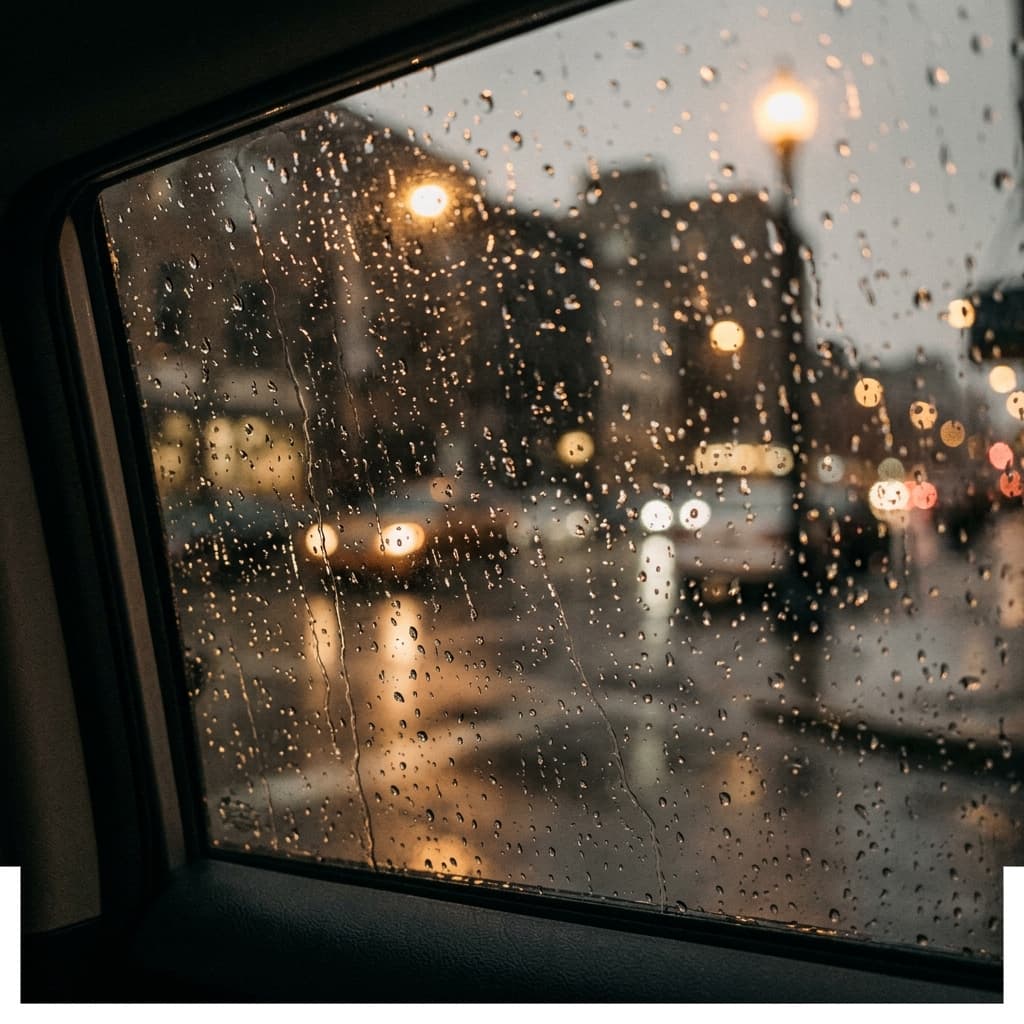
I am parked on a side street I do not recognize. The tears came three minutes ago, somewhere between ending the phone call and turning off the engine, and they have not stopped. My vision has blurred to the point where the streetlamp outside the windshield is a soft orange smear. My chest is heaving in a deep, shuddering cadence that uses muscles I did not know I had. I grip the steering wheel with both hands because my hands need something to hold. The salt taste reaches my lips. The sound of my own breathing fills the small, enclosed space, raw and animal and nothing like the composed voice I used on the phone four minutes ago.
I do not try to stop it. I am not sure I could.
The Years Before the Car
I spent years not crying. The cost was invisible until I started again. A tension had settled in my jaw that I had stopped questioning. A chronic tightness between my shoulder blades that I attributed to posture, to stress, to the way I sleep. Difficulty falling asleep because my body was still braced against something it could not discharge. I called these things normal. They were held tears, emotions that had been redirected from the eyes to the muscles because the eyes had been told to stay dry.
Children cry freely until someone tells them not to. The instruction comes in a thousand forms: the parent who says be brave, the classroom where tears earn ridicule, the workplace where crying is a synonym for unprofessional. From that point forward, tears become something to manage, suppress, and ideally prevent. The body receives the message. The body also disagrees.
When we suppress tears, we suppress the release. The stress hormones stay in the bloodstream. The nervous system remains mobilized. The feeling that needed to pass through instead gets stored, taking up residence in places you did not invite it: the locked jaw, the rigid shoulders, the insomnia that no amount of melatonin can touch.
What the Body Knows About Tears
Ad Vingerhoets, a psychologist at Tilburg University, has studied the biochemistry and social function of crying for over thirty years. His research reveals a distinction most people never learn: emotional tears have a different chemical composition than the basal tears that keep your eyes moist or the reflex tears triggered by cutting onions. Emotional tears contain leucine enkephalin, a natural painkiller, and stress hormones like adrenocorticotropic hormone. When you cry, your body is excreting the chemical residue of distress. The tears carry it out.
The relief after crying is biochemical. The act of crying activates the parasympathetic nervous system, lowering heart rate and signaling safety to the body. Your nervous system, in its ancient wisdom, treats tears as a form of completion. Something was held. Now it is being released.
Tears are not weakness leaving the body. They are the body finishing a conversation that words could not complete.
The body cries when you are sad, when you are relieved, when you are angry, when you are overwhelmed, and sometimes when you cannot identify the reason. Tears arrive without invitation and rarely on schedule. They interrupt meetings, ambush you in grocery store parking lots, and show up at the exact moment you were trying to hold it together. Inconvenient, undignified, and physiologically necessary.
After
When it was over, the tightness in my shoulders had softened. Not gone. Softened. Like something that had been locked was finally allowed to open. I sat in the car for another few minutes, my hands still on the steering wheel, breathing normally for what felt like the first time in weeks. The streetlamp outside had sharpened back into focus. The salt was drying on my cheeks. I did not feel better, exactly. I felt lighter. As if my body had been carrying a package for months and had finally been allowed to set it down.
I do not cry on demand. No one does. But I have started noticing when tears are close, and instead of swallowing them, I let them come. In the shower where the water hides the sound. In the car where the windows create a small, safe container. I let the tears do what they were designed to do.
I want to be clear: persistent, uncontrollable crying that brings no relief can be a symptom of depression or another condition that deserves professional support. If tears come without stopping and without easing, please reach out to someone trained to help. This practice is about allowing the tears that come and go naturally, the ones your body was built to produce.
If tears arrive today, wherever you are, try letting them stay for a moment before you wipe them away. You do not need to understand why they came. You do not need to apologize. Just let them do what they were designed to do. If they do not come, that is perfectly fine. The permission does not expire. It will be here whenever your body is ready to use it.
