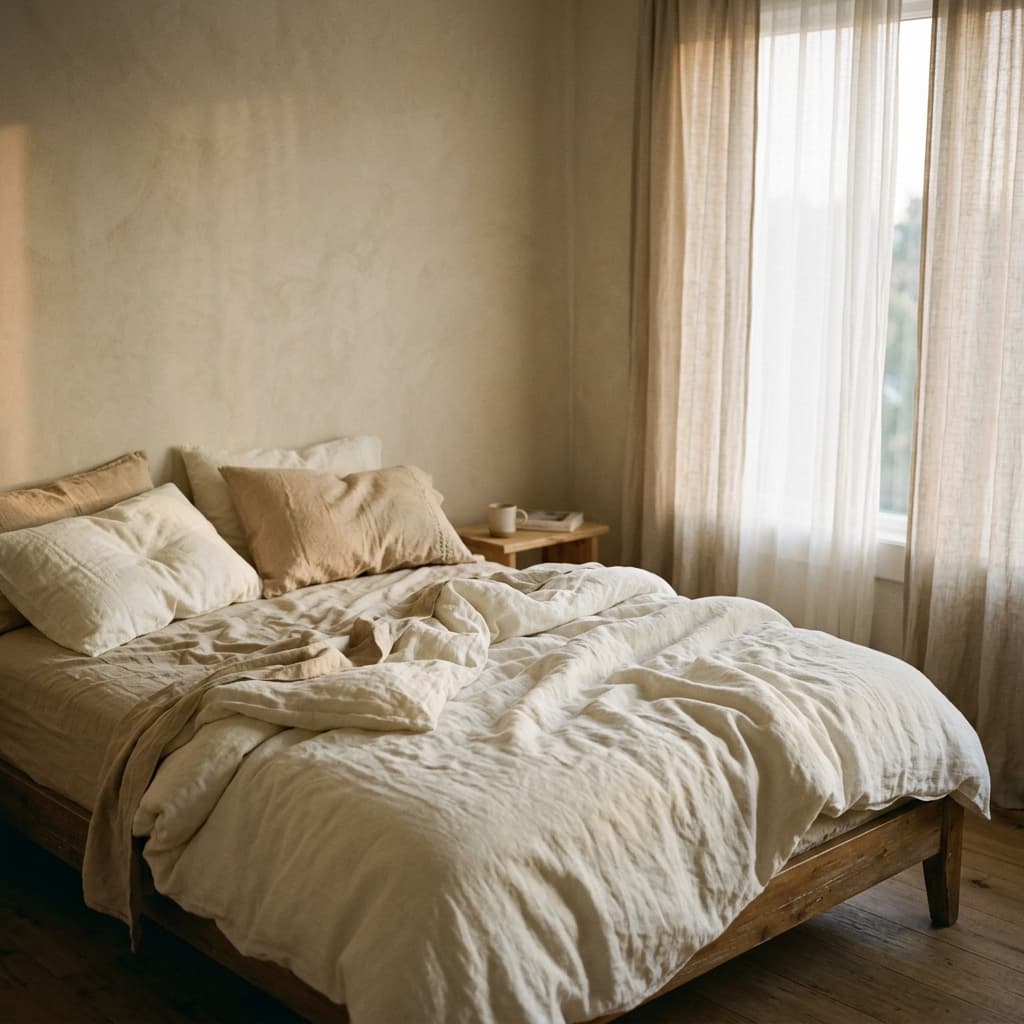
I used to treat sleep like a project. I had the weighted blanket, the blackout curtains, the magnesium supplement, the sleep tracking app that graded my nights with a number. I had read the research. I knew about adenosine and circadian rhythms and the importance of REM cycles. I had optimized everything I could control, and I was still lying awake at midnight, watching the ceiling, furious at my own brain for refusing to cooperate.
The irony took a long time to land. Sleep is the one process that requires you to stop trying. It cannot be achieved through effort. It arrives when effort ends. And every optimization, every tracker, every anxious clock-check was just another form of effort wearing the disguise of relaxation.
The Paradox of Effort
Sleep researchers have a term for this: sleep effort. It describes the phenomenon where the harder you try to fall asleep, the more awake you become. The mechanism is straightforward. Trying activates the sympathetic nervous system. It produces arousal, vigilance, monitoring. Your brain interprets the effort as evidence that something important is happening, something worth staying alert for. So it stays alert.
This has nothing to do with willpower or discipline. Your nervous system is doing exactly what it was designed to do: staying awake when it detects that wakefulness matters to you. The paradox is cruel but instructive. Sleep comes when you stop caring whether it comes. And caring less about sleep is, for many of us, the hardest kind of letting go there is.
Dimming the Day
I have stopped trying to fall asleep. Instead, I practice ending the day. The distinction matters. Falling asleep is a goal, and goals produce pressure. Ending the day is a ritual, and rituals produce rhythm.
An hour before bed, I lower the lights. Not because I read that blue light suppresses melatonin, although it does. But because dim light feels like permission. It tells my body that the day is closing, the way dusk tells the world. I put the phone in another room. I make a cup of something warm. I do not read anything that asks something of me, no news, no email, no plans for tomorrow. If I read at all, it is something gentle and undemanding. Sometimes I just sit.
I think of them as signals, not rules. The suprachiasmatic nucleus, the small cluster of cells in the brain that governs circadian rhythm, responds to environmental cues: light, temperature, routine. When I dim the lights and slow the pace, I am speaking to that ancient timekeeper in its own language. I am saying: the day is done. You can let go now.
Sleep is not a reward for a productive day. It is a biological invitation that arrives whether you earned it or not. Your only job is to stop getting in its way.
When Sleep Will Not Come
Some nights, despite everything, sleep does not come. I used to catastrophize those nights. I would calculate the hours remaining, imagine the ruined morning, berate myself for still being awake. That catastrophizing, of course, made the wakefulness worse. A feedback loop of anxiety about anxiety, powered by the one thing I was trying to stop doing: trying.
Now, when sleep does not come, I try to rest instead. I lie still. I let my body be heavy. I do not look at the clock. I remind myself that rest, even without sleep, is not nothing. The body repairs in stillness. The mind slows in darkness. I may not sleep, but I am not working either, and that gap between waking effort and unconsciousness is wider and more restful than I once believed.
If sleeplessness is something you carry regularly, I want to name that this is a real and sometimes debilitating experience. Chronic insomnia is anything but a mindset problem, and no amount of breathing or ritual will carry you out of it in every case. If it persists, it deserves the attention of someone who specializes in it. What I am describing here, rather than a cure, is a gentler way to be with the nights that are hard.
Tonight, if you are willing, try this: an hour before you plan to sleep, dim the lights. Not to fall asleep faster. Not to optimize your circadian rhythm. Just to give the evening back its natural shape. Let the transition between day and night be gradual, the way it was before we had the power to keep the lights on forever. See what happens when you stop performing bedtime and simply let the day end.
