
Minimalist living rooms represent the perfect harmony between intentional design and peaceful living. These thoughtfully curated spaces eliminate visual clutter while maximizing both function and beauty. Whether you're drawn to Scandinavian hygge, Japanese wabi-sabi, or contemporary clean lines, minimalist living room design offers a timeless approach to creating your personal sanctuary.
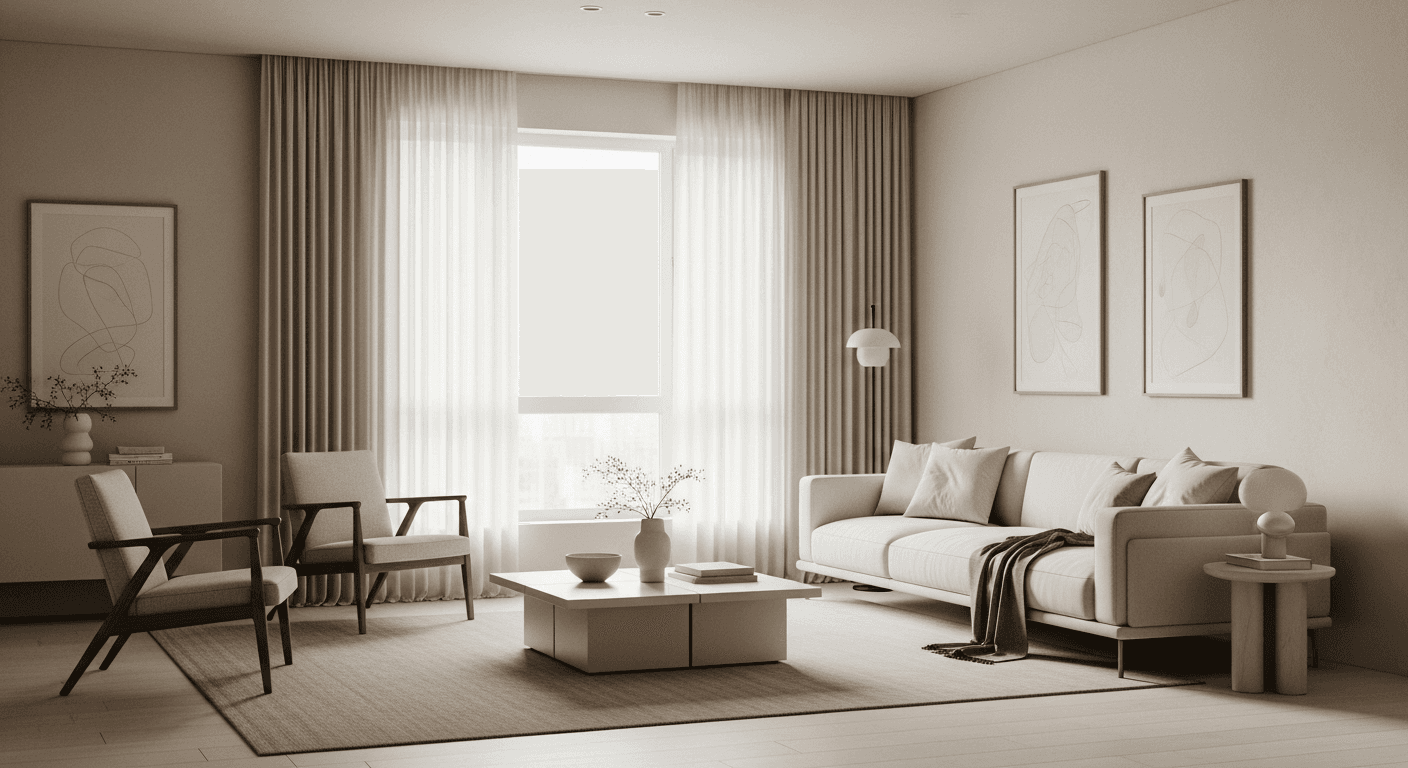
The essence of minimalist living: less stuff, more life
Why Choose Minimalist Living Room Design?
Minimalist living rooms offer profound benefits beyond mere aesthetics. Minimalist interior design reduces stress, improves focus, and creates a sense of spaciousness even in smaller homes. Research shows that clutter-free living spaces can lower cortisol levels and improve mental clarity. When you embrace minimalist home decor, you're not just designing a room—you're crafting a lifestyle that prioritizes quality over quantity.
Pro Design Tip: The key to successful minimalist living room design is the 'one in, one out' rule. For every new item you bring into your space, remove something else.
1. Scandinavian Minimalist Living Room: Hygge Meets Function
The Scandinavian minimalist living room combines the Danish concept of hygge with clean, functional design. This approach to minimalist furniture emphasizes light woods, cozy textures, and a connection to nature. The beauty of Scandinavian interior design lies in its ability to feel both minimal and inviting.
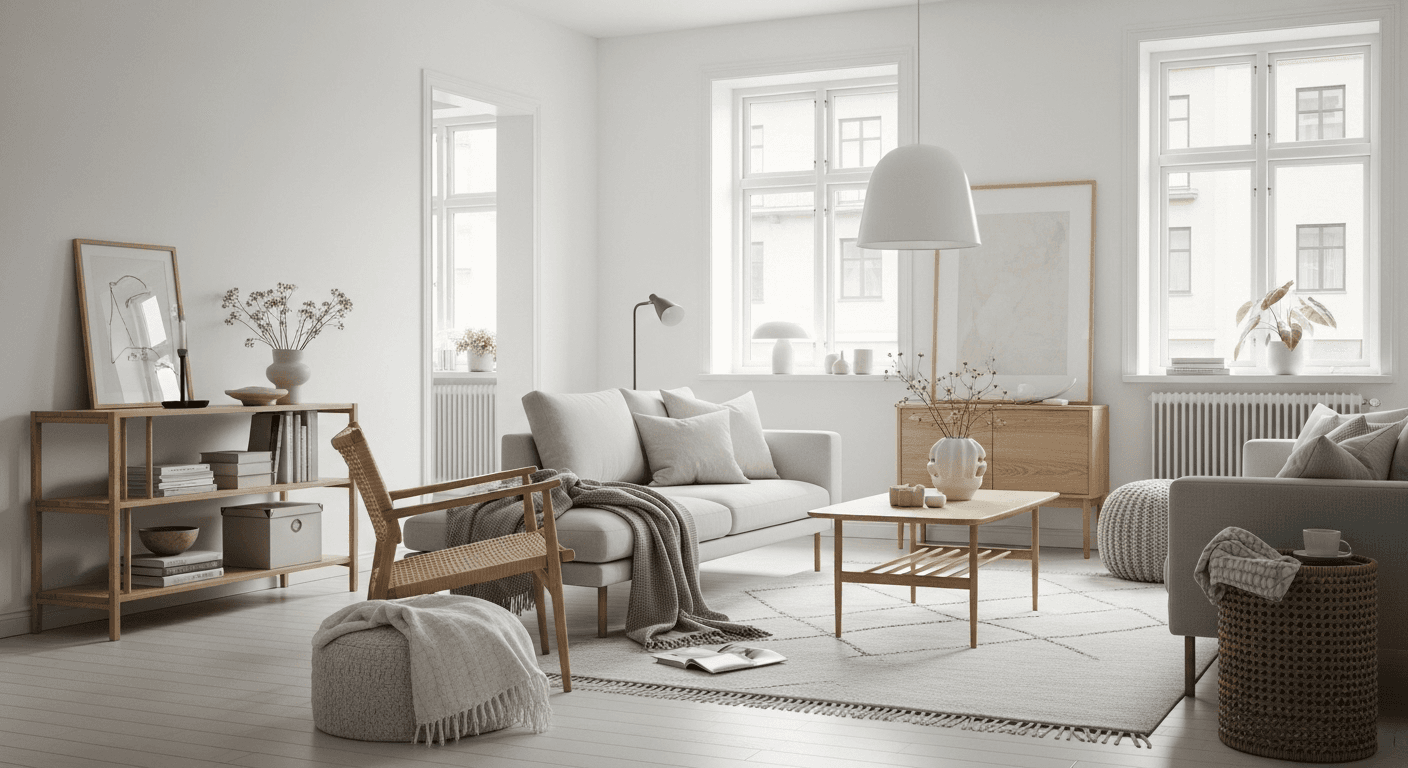
Scandinavian minimalism: where comfort meets clean design
- ✓Choose light oak or birch furniture with clean, simple lines
- ✓Layer natural textiles like wool throws and linen cushions
- ✓Incorporate one statement piece like a beautiful ceramic vase
- ✓Use warm white lighting to create hygge atmosphere
- ✓Add a single piece of meaningful artwork or photography
- ✓Include living plants for natural air purification
Scandinavian Secret: The 'lagom' principle means 'just the right amount'—not too little, not too much, but perfectly balanced.
2. Japanese Minimalist Living Room: Zen and the Art of Space
Japanese minimalism in living room design draws from centuries of refined aesthetic philosophy. This zen living room approach emphasizes negative space, natural materials, and the beauty of imperfection through wabi-sabi principles. Japanese interior design creates profound tranquility through intentional emptiness.
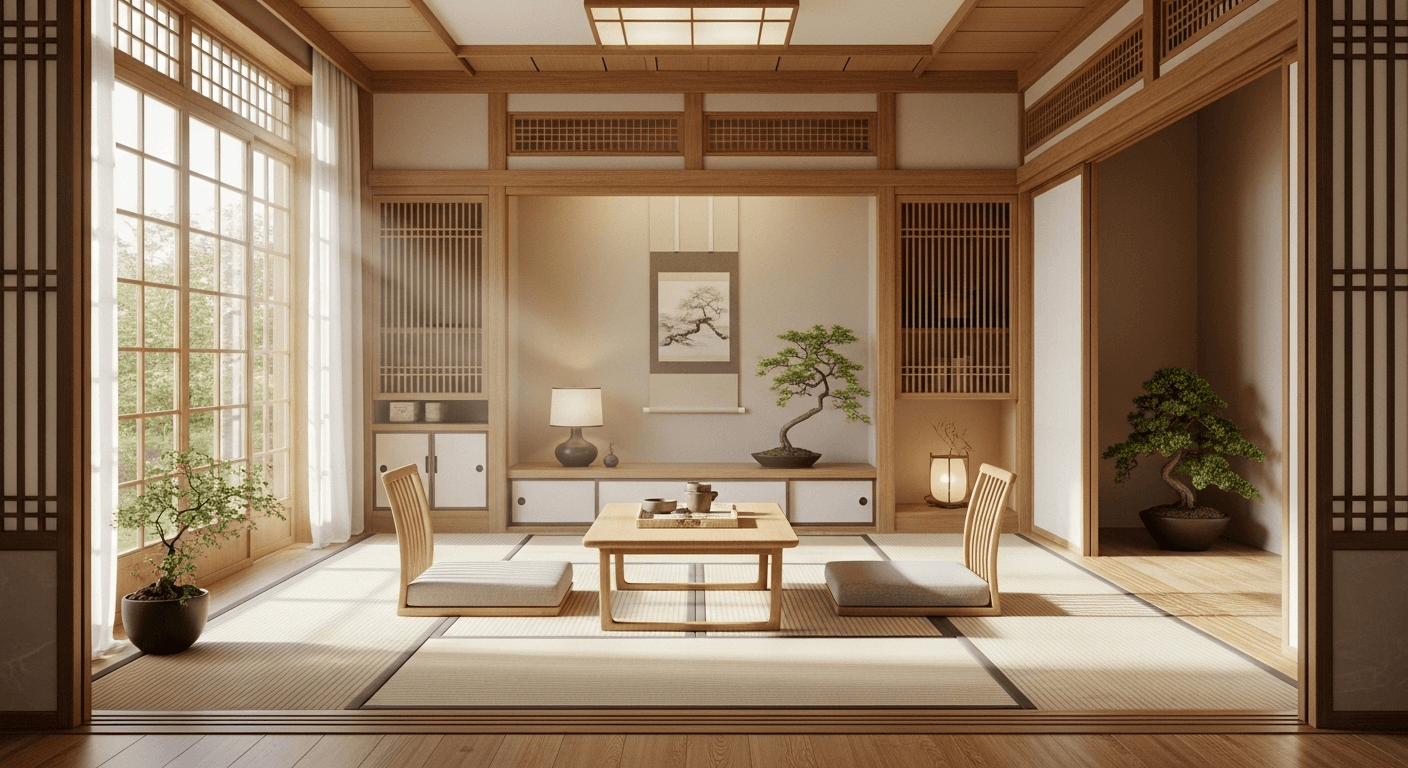
Japanese minimalism: finding beauty in simplicity and imperfection
- ✓Select low-profile furniture that maintains visual flow
- ✓Use natural wood with visible grain patterns
- ✓Create asymmetrical balance with carefully chosen objects
- ✓Incorporate natural stone or bamboo elements
- ✓Design flexible spaces that can serve multiple functions
- ✓Practice 'ma' - the meaningful use of negative space
Japanese Philosophy: In wabi-sabi, the crack in a beautiful bowl doesn't diminish its beauty—it adds to its story and character.
3. Contemporary Minimalist Living Room: Urban Sophistication
The contemporary minimalist living room embraces modern technology and urban aesthetics. This modern minimalist design approach focuses on sleek surfaces, geometric forms, and smart home integration. Contemporary interior design creates sophisticated spaces that feel both cutting-edge and timeless.
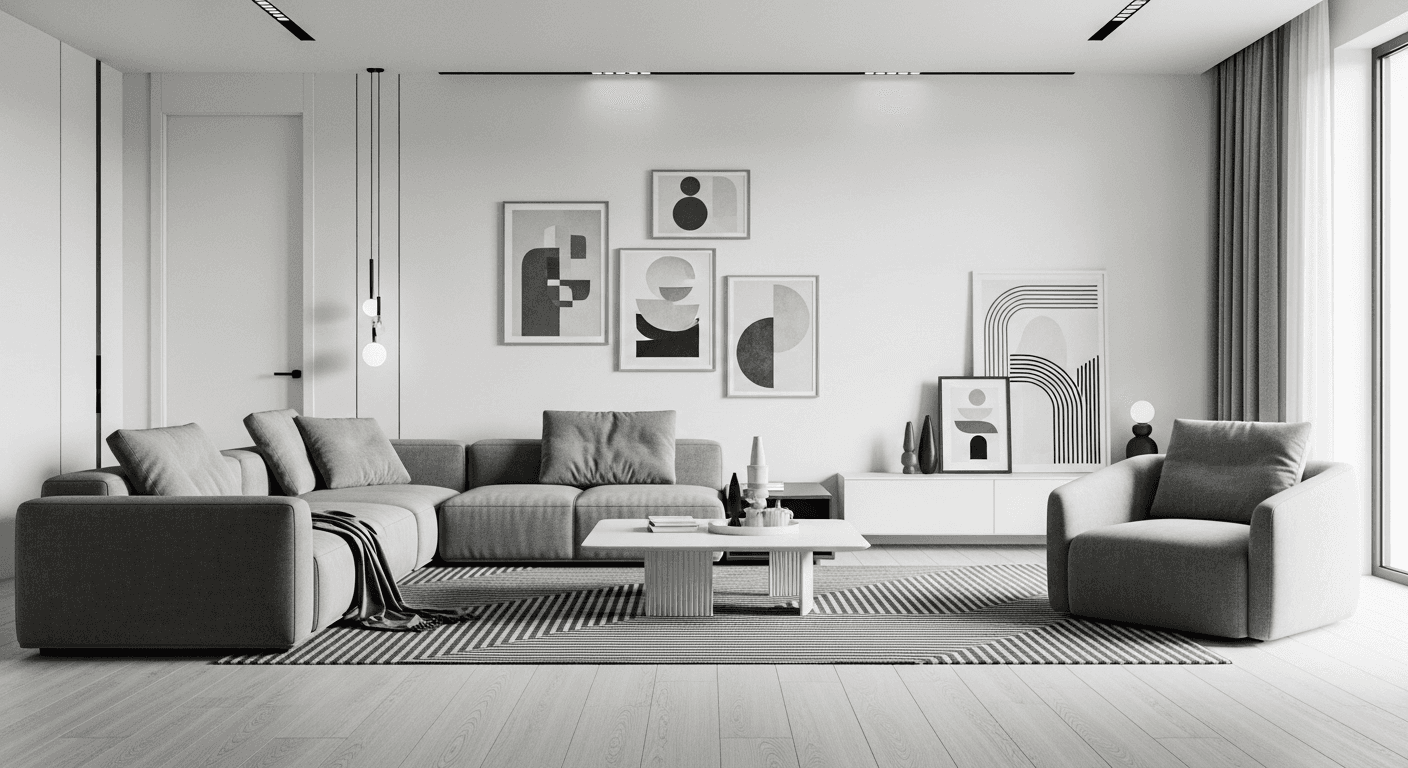
Contemporary minimalism: where technology meets tranquility
- ✓Choose furniture with clean geometric lines and high-tech materials
- ✓Implement smart home technology for seamless control
- ✓Use monochromatic color schemes with strategic accent colors
- ✓Incorporate statement lighting as functional art
- ✓Select multi-functional furniture for space efficiency
- ✓Maintain strict symmetry and architectural precision
4. Small Space Minimalist Living Room: Maximizing Every Inch
Creating a small space minimalist living room requires strategic thinking about every element. Minimalist small living room design proves that limitations can inspire creativity. When working with compact living spaces, every piece must earn its place through both function and beauty.
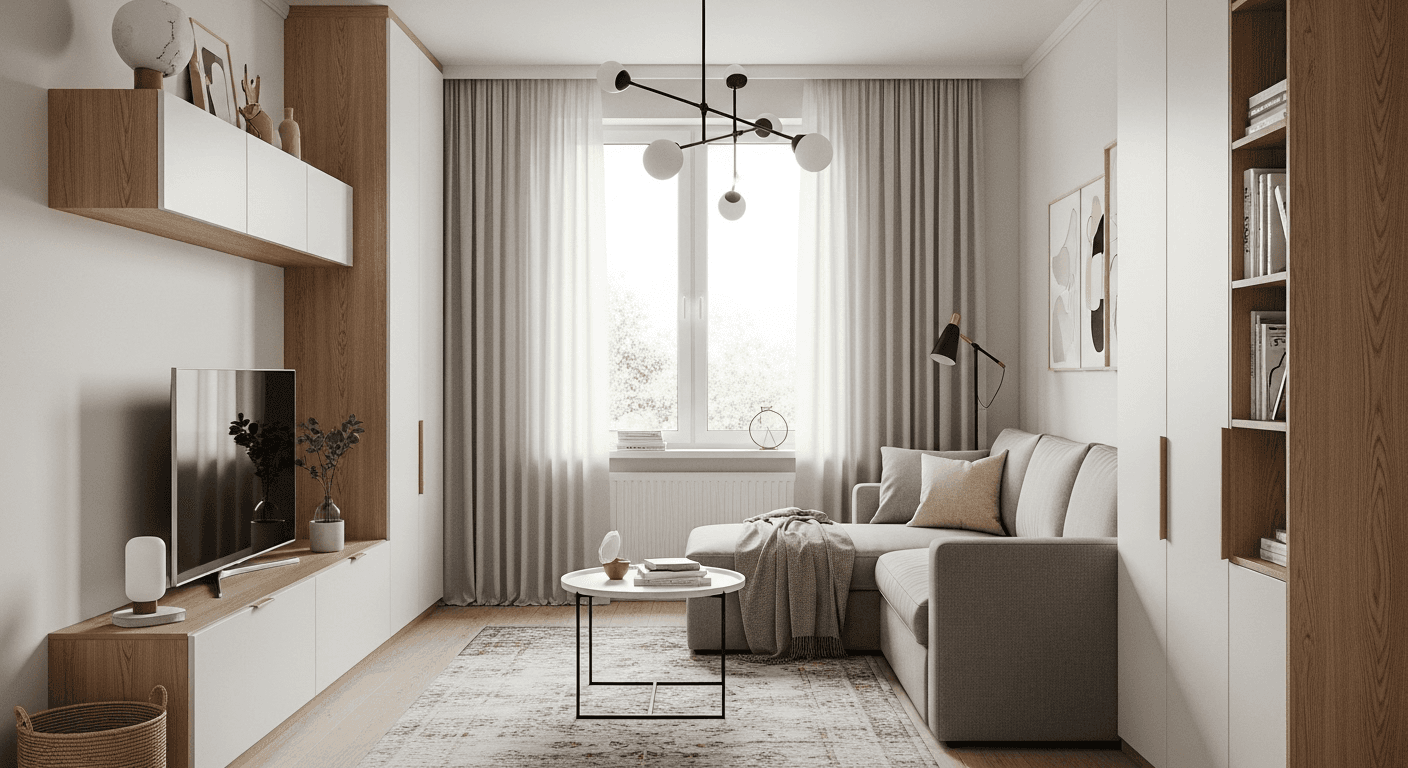
Small space minimalism: proving that less square footage can mean more style
- ✓Select furniture that serves multiple purposes
- ✓Use wall-mounted elements to free floor space
- ✓Choose light colors to visually expand the room
- ✓Implement hidden storage solutions
- ✓Use mirrors strategically to create depth
- ✓Maintain clear pathways for easy movement
Small Space Strategy: Vertical storage and wall-mounted furniture can increase usable space by up to 40% in compact living rooms.
5. Neutral Minimalist Living Room: Timeless Elegance
The neutral minimalist living room represents the pinnacle of timeless design. This neutral color palette approach creates spaces that feel both sophisticated and serene. Minimalist color schemes using beiges, whites, and soft grays provide the perfect backdrop for mindful living.
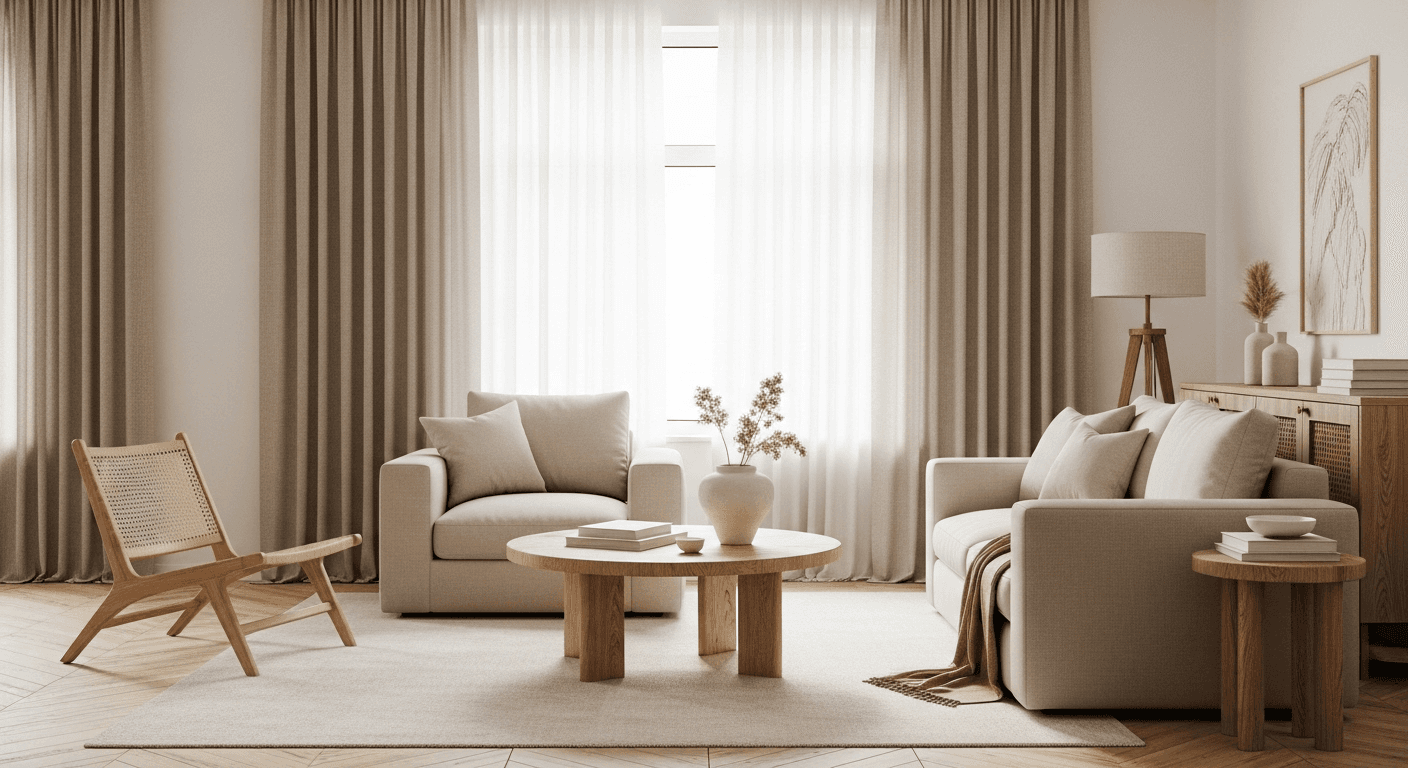
Neutral minimalism: the art of creating impact through restraint
- ✓Layer different shades of white and beige for depth
- ✓Introduce texture through natural materials
- ✓Use warm lighting to prevent sterile feelings
- ✓Add one carefully chosen accent color
- ✓Include organic shapes to soften geometric lines
- ✓Focus on quality materials over quantity of items
Essential Minimalist Living Room Furniture Guide
Choosing the right minimalist furniture is crucial for achieving authentic minimalist design. Each piece should be carefully selected for both form and function. Sustainable furniture choices align with minimalist values while supporting environmental responsibility.
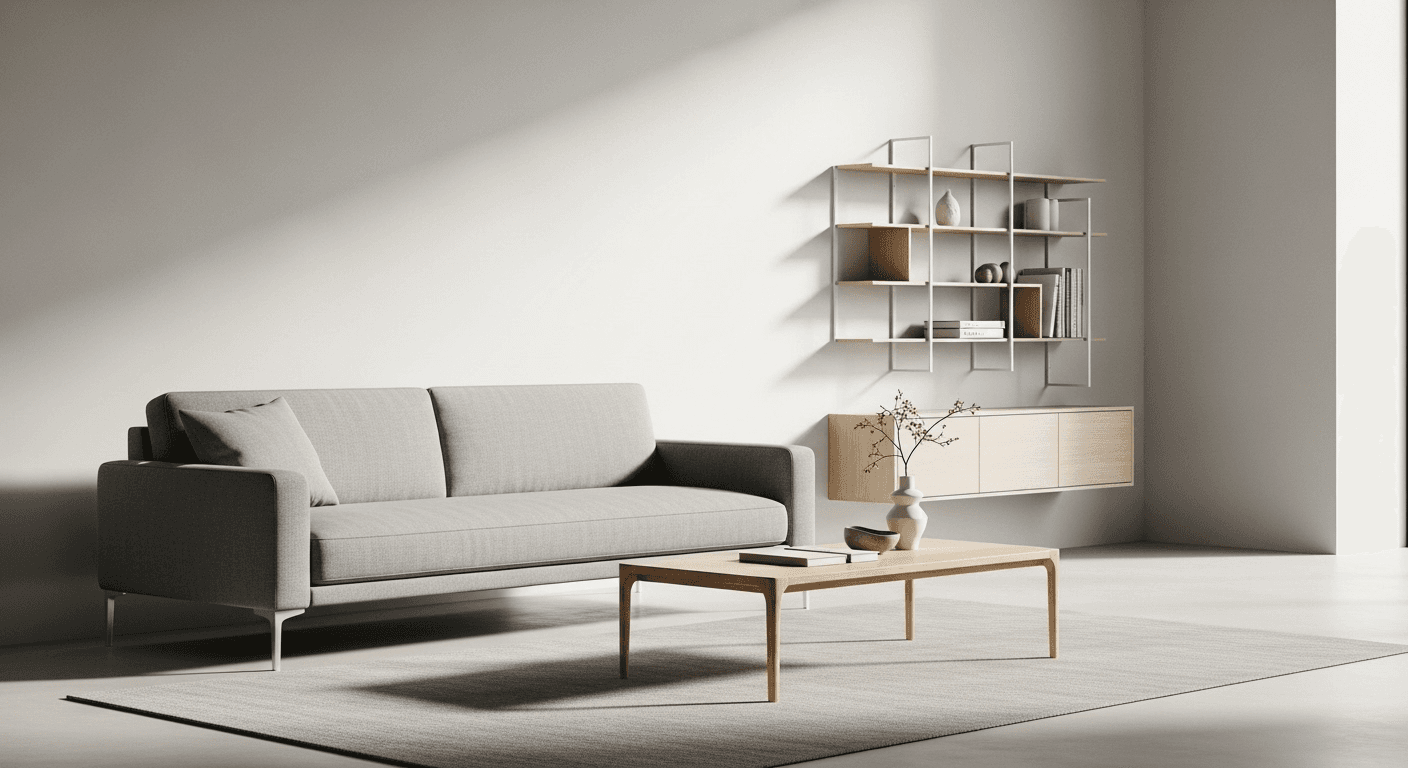
Essential minimalist furniture: quality pieces that stand the test of time
Minimalist Living Room Color Palette Mastery
Understanding minimalist color palettes is essential for creating cohesive, calming spaces. The right colors can make rooms feel larger, more peaceful, and more sophisticated. Neutral living room colors provide the foundation for successful minimalist design.

Minimalist color mastery: the subtle power of neutral tones
Decluttering Your Living Room: The Minimalist Way
Effective decluttering tips form the foundation of any successful minimalist transformation. Minimalist decluttering isn't just about removing items—it's about creating space for what truly matters. The process requires both practical strategies and mindful decision-making.
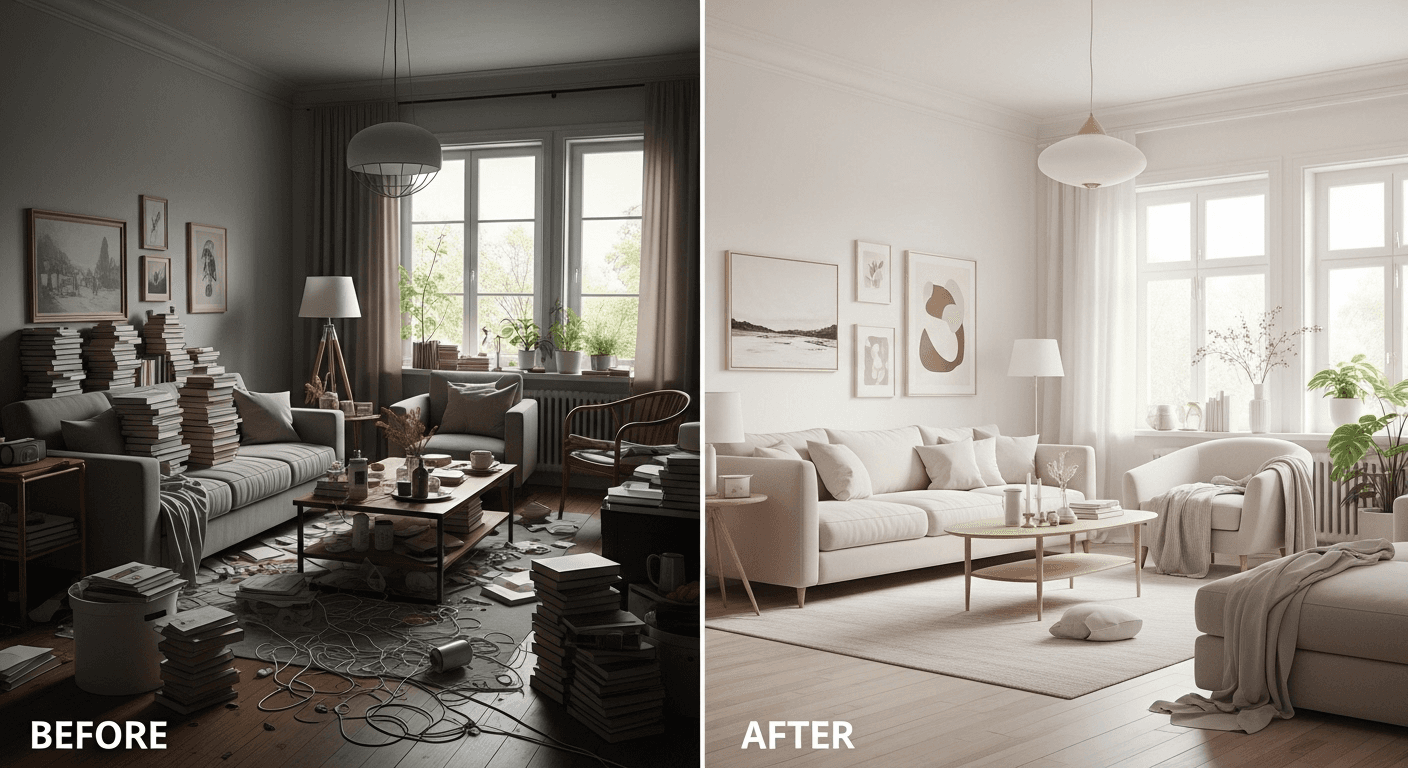
The decluttering journey: from chaos to calm
Lighting in Minimalist Living Rooms
Proper lighting can make or break a minimalist living room design. Minimalist lighting should enhance the space's clean lines while providing both ambient and task lighting. Natural light remains the gold standard, but strategic artificial lighting creates the perfect atmosphere for any time of day.
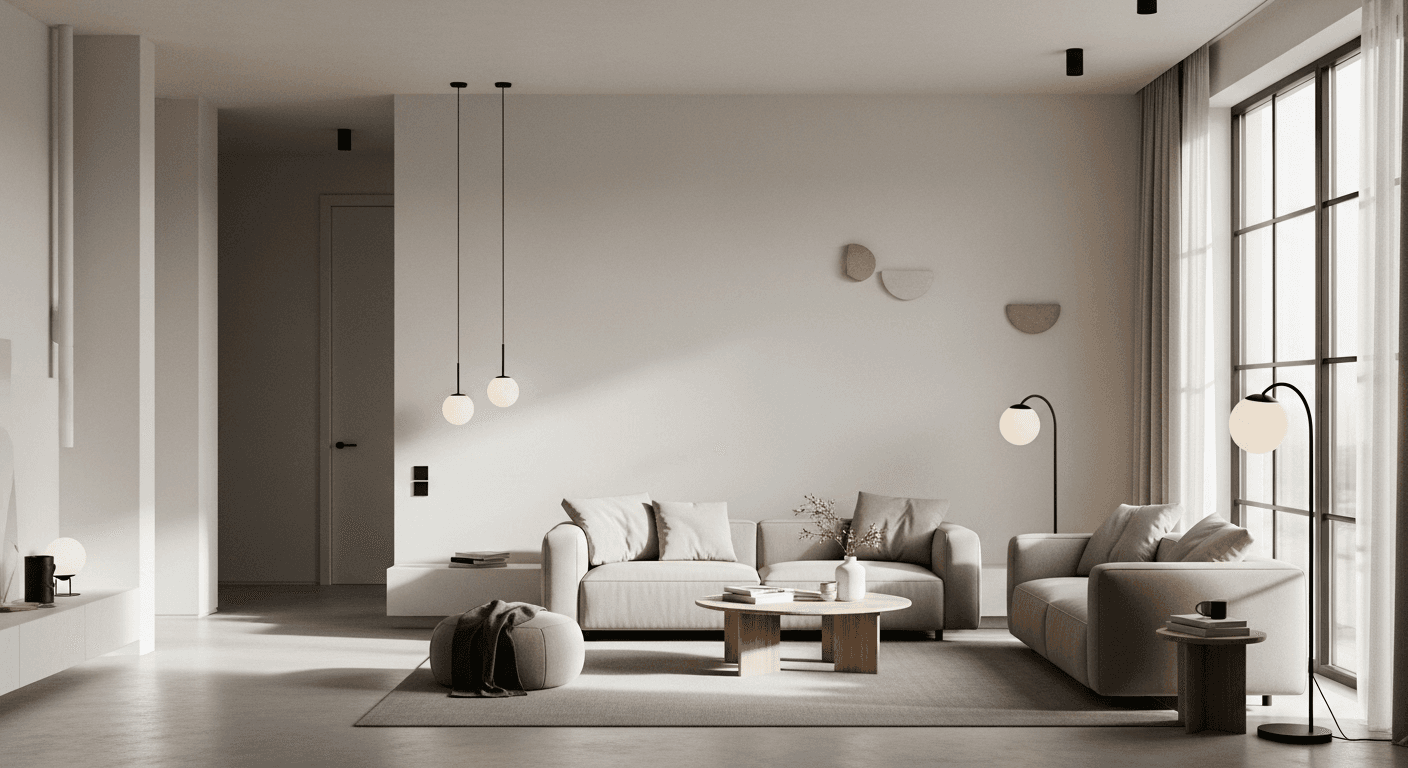
Minimalist lighting: illuminating simplicity
Sustainable Minimalism: Eco-Friendly Choices
Modern minimalism embraces sustainability as a core principle. Sustainable minimalism means choosing quality pieces that last, supporting ethical manufacturers, and reducing environmental impact. Eco-friendly minimalist design proves that responsible choices can be beautiful choices.
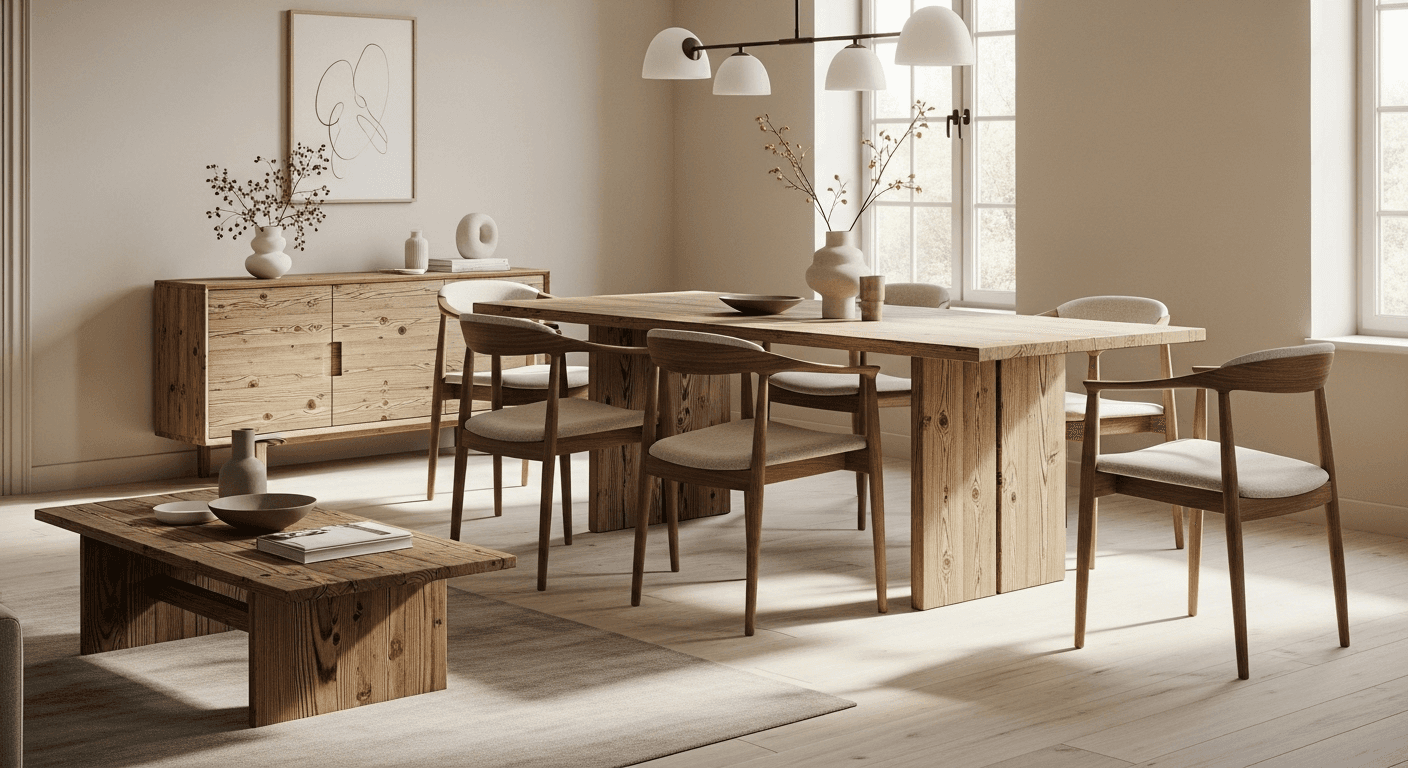
Sustainable minimalism: beautiful choices for a better world
Minimalist Style Comparison
| Style | Best For | Key Materials | Color Palette | Price Range | Maintenance |
|---|---|---|---|---|---|
| Scandinavian | Family homes, cold climates | Light wood, wool, linen | Warm whites, soft grays | $$ | Low |
| Japanese | Meditation spaces, urban apartments | Natural wood, bamboo, stone | Neutral earth tones | $$$ | Medium |
| Contemporary | Modern homes, tech enthusiasts | Steel, glass, concrete | Monochromatic | $$$$ | High |
Frequently Asked Questions About Minimalist Living Rooms
A minimalist living room is characterized by clean lines, neutral colors, functional furniture, and the strategic use of negative space. It eliminates visual clutter while maintaining comfort and style through carefully chosen, high-quality pieces.
Begin by decluttering your current space, keeping only items that serve a purpose or bring joy. Choose a neutral color palette, invest in quality furniture with clean lines, and focus on functionality. Remember, minimalism is about intentional choices, not empty rooms.
Neutral colors like whites, beiges, soft grays, and natural wood tones form the foundation of minimalist design. You can add depth with different shades of the same color family or introduce one carefully chosen accent color for visual interest.
Absolutely! Minimalist design can be family-friendly when you choose durable, easy-to-clean materials and create designated storage for toys and family items. The key is maintaining the aesthetic while accommodating practical family needs.
Minimalist living rooms can be created on any budget. The key is investing in fewer, higher-quality pieces rather than many cheaper items. You can start with paint, decluttering, and rearranging existing furniture before investing in new pieces.
Minimalist design is intentional and purposeful, featuring carefully chosen items that serve both function and aesthetic appeal. An empty room lacks personality and comfort, while a minimalist room feels calm, purposeful, and inviting.
Yes! Plants are excellent additions to minimalist spaces. They add life, color, and natural texture while improving air quality. Choose plants with simple, architectural forms and place them in clean, modern planters.
Maintain your minimalist living room by following the 'one in, one out' rule, regularly decluttering, and choosing quality over quantity. Establish systems for organization and be mindful of new purchases to prevent accumulation.